
Questions you should ask your contractor before the project
 Before you can begin your upcoming home remodel, you’ll have to meet with potential contractors. Sure, the overall cost of the project is going to be important, but you should take other factors into consideration before you get started. While interviewing candidates, here are six questions to ask.
What would you do to handle my particular renovation?
Every contractor reaches goals in different ways. Talking to each contractor about how he or she would handle your project will give you a good sense of which contractors work the most efficiently and who has the most skill. In addition, asking each contractor to explain his or her method will give you a sense of how well that contractor communicates with clients. Since you’ll be working closely with your contractor, it’s important to find someone with whom you can communicate easily.
 Are you bonded and insured?
A contractor’s bond and insurance policy will help ensure your protection throughout the project. Insurance covers accidental damage, while a bond can be used to pay for faulty workmanship and other problems. Having these policies in place will help ensure that your contractor will live up to his obligation and the terms of the contract.
What’s the timeline?
Before getting started on your project, you’ll need to find out how long the contractor will take to complete your remodel and when you can anticipate the contractor will reach important milestones in the project. This is especially important if you’ll be undertaking a kitchen or bathroom renovation, because these rooms are so critical.
Is your bid fixed or estimated?
A fixed bid won’t change in price unless the job itself changes in scope, while an estimated bid can vary. Fixed bids protect consumers and enable homeowners to budget their money properly. Estimates can expose consumers to surprise expenses, leading to problems in the middle of the job.
 Can I have an itemized bid?
It’s not enough to simply give a fixed bid; it also should be itemized. Being able to see the breakdown of the job can help you decide how best to cut corners and save money on your remodel.
Do you have any references?
Your contractor should be able to point you in the direction of previous happy, satisfied customers. In addition, your contractor should be able to show you pictures or talk about previous jobs that compare to the work he or she will be doing on your own home. This evidence of previous experience will show that your contractor is able to do the work to your specifications.
Craftsmen Home Improvements performs expert renovations in Cincinnati and Dayton, Ohio. For a quote and to find out more about how we’d handle your upcoming home remodel, call 937-299-5201.
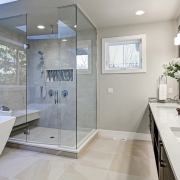
 When someone says luxury, most people think of loaded sports cars, lavish vacations, expensive jewelry and opulent homes. You probably don’t think of your master bathroom, but maybe you should.
  Cozy custom comforts
 Beautiful materials, feature finishes
 Function is the number one luxury
 Most people will tell you there’s never a right time for big life changes – buying a house, deciding to start a family, making a cross-country move or career change, or starting a major kitchen renovation project. However, when it comes to home renovation, there are some questions you can ask yourself before undertaking a kitchen remodel to help you determine if you’re ready.
 1. How much do you want to spend?
 4. What amenities do you want as part of the cabinets?
 6. What type of sink do you like?


 These days, it seems like you can get a warranty on anything and everything, from toasters and waffle irons, to cars and high-end electronics. Even home improvement companies have been known to offer lifetime warranties.
 Many home improvement products on the market have warranties, but that’s not where the bulk of the cost comes from when you’re dealing with home improvement projects. The cost of labor to replace the warranted item should be a consideration.
 The newest and greatest doesn’t always end up being the best choice, if the kinks aren’t all worked out. Home improvement professionals know how to navigate the new product landscape.
 Downsizing. It’s not only practical for families in certain phases of life, it’s also trendy. Television shows spotlight families shrinking their square footage by thousands, and most Americans watch in awe. Others take mental notes, knowing they’ll one day be making the same life transition.
  2. Evaluate every space – leave no room untouched: Don’t try to do it all at once. Experts suggest starting with larger, less-important rooms of the house. Storage areas, like the basement, attic or garage, usually have lots of things to purge and doing that first could provide momentum as you move into the more lived-in areas of your home, where decisions are more difficult.
  5. Know your storage options: If you’ve started the process early and don’t know what your new space will be like, you might need to get creative with storage options. Wall-mounted or enclosed shelving, decorative and under-bed boxes, and coffee tables or ottomans that open up to storage inside are all great ways to organize and store your things.
 The kitchen is one of the busiest rooms in the house, so one of the goals many homeowners have is to make their kitchen function more efficiently. Setting up the space properly can help you enjoy your kitchen, while also giving you more downtime to do other things. The following tips will help you make your kitchen more efficient:
 2. Make eco-friendly upgrades: A good way to reduce the natural resources your household consumes is to make eco-friendly upgrades during your kitchen renovation. Eco-friendly changes range from sustainable flooring to Energy Star-rated appliances to energy-efficient lighting. This can give your home a smaller carbon footprint, while also lowering your utility bills, so you’ll spend less money throughout the year.
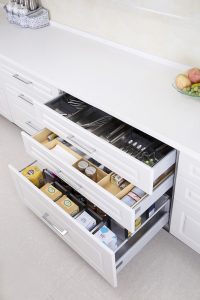 4. Reconsider your storage space: The presence of adequate storage space is critical for efficient use of the kitchen. Installing specialized storage options will ensure that everything has its place. For example, installing a spice cabinet for spices, pantry for food, pullout cabinets for large pots, and deep drawers for tools can help your kitchen stay organized and uncluttered. Have your contractor take a look through your current kitchen’s storage to determine which needs already are being met and which ones are not. Your contractor will know
  Your bathroom is one of the most-used rooms in the house, but it’s probably the last to be considered when it comes to updating. Let’s face it: when prioritizing your budget, sometimes it’s just easier to close the bathroom door and focus your efforts somewhere else.
 2. Tile around the tub: Whether you’re looking for water resistance, stain resistance, or just a fresh pop of color, adding tile around your bathtub is an excellent way to kick up your décor a bit.
  4. Upgrade storage solutions: Have you grown tired of knocking around the toothpaste, deodorant and shaving cream every time you need to wash your hands? Perhaps it’s time to consider installing a medicine cabinet. While you’re at it, consider updating the under-cabinet storage space by adding pullout shelves that provide easy access to the back of your cabinet.
 6. Update fixtures: A relatively cheap and easy way to update your bathroom is to replace the fixtures. New faucets and a modern shower head can give a new look and feel to your space.
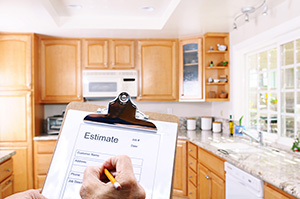 So, you’ve decided to give the green light to that home remodeling project you’ve been talking about for years. Depending on the scope and scale of the project, you could be looking at an estimate with costs anywhere from $10,000 to $60,000 (or more).
 Detailed scope of work: An estimate from a professional contractor likely will be several pages long and highly detailed and organized.
 Exclusions: A good contract should include a list of exclusions, such as things that will not be visible until the walls are opened up after demolition, or the level of cleaning you should expect after the work is complete.
  Choosing new flooring can be a daunting task. Since it is typically the largest surface in any room, it lays the foundation for the look, feel and functionality of the entire space. Whether you’re congregating around the kitchen island, hosting a dinner party in the dining room, or doing your exercise video in the family room, you want a surface underfoot that is durable and comfortable.
 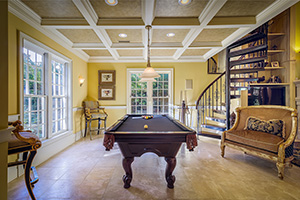 Know your style: Unless you intend to redecorate the entire space, you’ll want to choose floors that complement the furniture and accessories you have now. Consider what colors and patterns you like. Think about which floor textures appeal to you: the rich grain of hardwood, the modern look of concrete, or the sleek lines of and options available with tile?
 When it comes to floors, there are many materials from which to choose, as well as a whole slew of options to go along with it. Here are four popular flooring options:
 A variation on true laminate floors are engineered wood floors. Engineered wood consists of a real hardwood veneer attached to a number of plywood layers. This option is a bit more expensive than laminate because the top layer is real wood rather than a photographic imprint, giving them a much more convincing “real” wood sound, feel and look than laminate.